


What is psychodynamic therapy?
As a psychodynamic psychotherapist, my approach is rooted in understanding the deep, often unconscious processes that shape your thoughts, emotions, and behaviours. We will explore not just your present concerns but how past experiences, especially early relationships, continue to influence your current life. This form of therapy looks at patterns in your relationships, ways you defend against painful feelings, and unconscious conflicts. The goal is to bring these into awareness, which can help you gain insight into yourself and make meaningful changes.
-
Key interventions include interpreting unconscious conflicts, examining how these manifest in our therapeutic relationship, and addressing defenses that block painful emotions. We work through these insights repeatedly, allowing you to slowly shift away from ingrained patterns. The therapeutic relationship itself is also a tool, as dynamics between us often mirror patterns in your life, offering valuable insights into how you relate to others.
-
Change in psychodynamic therapy comes from deepening awareness of unconscious patterns, integrating conflicted parts of yourself, and resolving core emotional issues. This leads to greater freedom in your choices, symptom reduction, and improved emotional resilience, allowing for healthier, more adaptive ways of relating to yourself and others.
-
While the frequency and number of sessions often depend on clients’ personal circumstances, I liken psychodynamic therapy to learning a new skill such as a musical instrument or going to the gym. If you wish to master the instrument or fundamentally reshape your body, you would want to invest the required time and effort. Therapy is not that different. You would ideally start with a minimum of one session a week and be prepared to invest time and dedication to reach your goal.
What is an “existential lens”?
Applying an existential lens to therapy is not a technique. It means that I pay attention to certain themes in your narrative related to existential issues including the meaning of life, death, freedom, and isolation. Those questions can cause us great anxiety and impact our decision making e.g., remaining in an unhealthy relationship or employment situation rather than breaking old patterns and seeking fulfillment. In our sessions we will explore the underlying anxieties with the goal of helping you make choices rooted not in avoidance or fear, but in a clearer sense of your freedom, responsibility, and personal meaning.
-
Four major issues that concern each of us and can cause significant anxiety are fear of death, meaning of life, freedom, and isolation.
-
Change begins when individuals turn towards their particular existential concerns, bringing unconscious anxieties into awareness, and taking responsibility for their choices. Clients are encouraged to live more authentically, recognizing where they have conformed, self-deceived, or denied their freedom. Change happens when they reclaim their agency and make choices aligned with their true values.
-
Sessions are typically centred around your experiences, values, and choices. Rather than focusing solely on symptoms or pathology and aiming for quick resolution, the therapist will hold space for sustained reflection on how you wish to live and support you in exploring those existential questions most important to you.

My approach
As a client you are unique; you have a distinct background, and you face particular challenges. To meet your individual needs, I apply a psychodynamic approach to therapy, while using an existential lens.
My personal background and diverse professional experience enable me to apply an eclectic lens to therapy. Before migrating to Canada, I have lived and worked in different places including Germany, Portugal, and Jordan. I integrate my experiences and combine different areas of expertise to offer a unique, holistic approach to therapy.
My mission is not just to support my clients in navigating life's challenges but also in creating change that leads to living with meaning and authenticity.
I look forward to welcoming you into this journey of self-discovery, healing, and transformation. Together, let's make a difference in your life.
My background
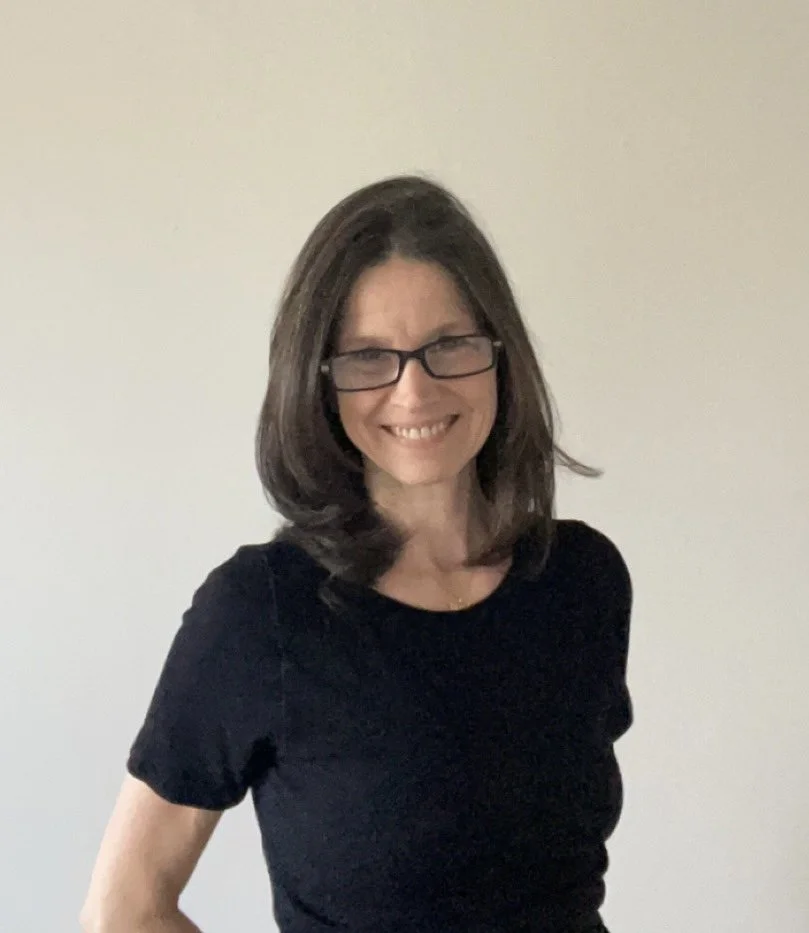
MEd. in Counselling Psychology and Psychotherapy (University of Toronto, OISE)
Couple and Family Therapy Studies Certificate (University of Guelph)
Registered Psychotherapist (RP)
Member in good standing with the College of Registered Psychotherapists of Ontario (CRPO)
Born and educated in Germany, I began my initial career path as a lawyer. My interest in other cultures first led me to spend time in Lisbon, Portugal, where I learned the language and attended the faculty of law.
During my articling, I had the opportunity to work in Amman, Jordan, alongside a prominent lawyer and advocate for human and women's rights which introduced me to the intricacies of cross-cultural relationships from a legal perspective.
Coming to Canada, I joined an immigration law firm specialized in refugee cases as a legal assistant. Eventually, I found my place in the Ontario government, serving as a Senior Policy Advisor across various ministries over a period of several years.
During this time, I began volunteering as a counsellor with a telephone helpline that serves Muslim women across North America, supporting them in matters including abuse, intimate partner violence, and mental health challenges. This experience not only alerted me to the great need for mental health services within and beyond the Muslim community but also inspired me to take my counselling skills to a professional level. I obtained a Master’s degree in counselling psychology and psychotherapy and have since worked as a counsellor at the University of Toronto at Mississauga, as an affiliate therapist at a private clinic, and eventually opened my own practice.